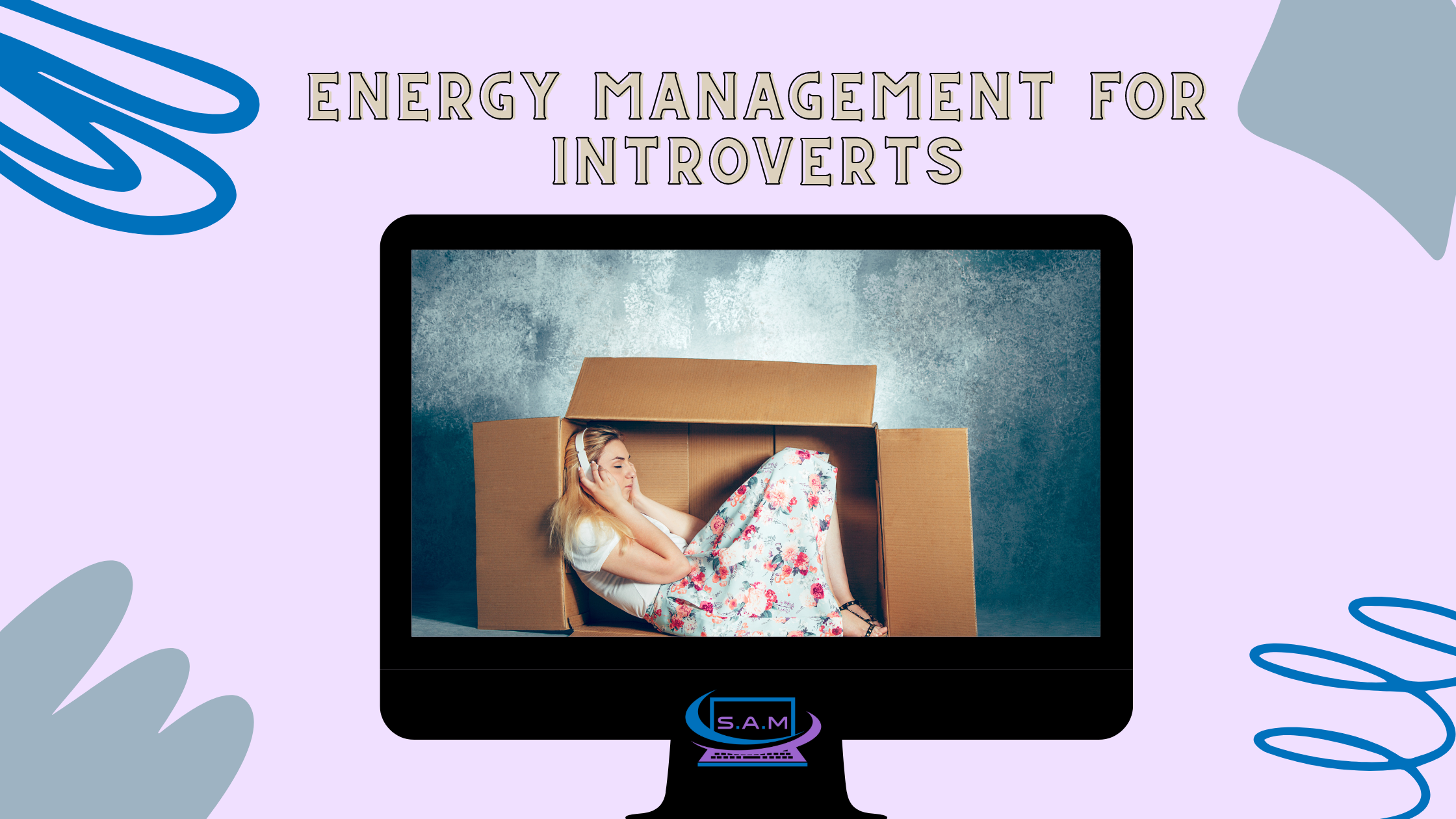
Effective Energy Management Strategies for Introverted Entrepreneurs
Everyone’s energy goes up and down during the day, numerous factors influence that. But I have come to realise that as an ambivert I need to plan my time a little differently if I am to maximise it and produce my best work. I have created an energy management plan to run alongside my daily tasks/to-do list. What on earth am I talking about? Let me explain:
An Energy Management Plan for introverted/ambiverted (not sure that’s a word, not sure I like it if it is) entrepreneurs focuses on optimising personal energy levels throughout the day to enhance productivity and well-being. This plan recognises that energy, not time, is a finite resource that needs careful management, especially for those of us who may find social interactions and certain business activities more draining than our extroverted counterparts. So, how do you do that?
Understanding Your Unique Energy Patterns as an Introvert
Identify High and Low Energy Phases – Keep a diary for a couple of weeks to note when you feel most energised and when you feel drained. Look for patterns to identify your peak productivity times as well as the times when you need to recharge. For example, I know that tomorrow, after attending an early morning event and then going straight into running my own networking group, I will be mentally drained by the afternoon and will want to be on my own so I will set time aside to re-energise and tackle low energy tasks.
Categorise Your Tasks by Energy Levels
List your daily tasks and categorise them based on the energy they require. For example, meetings, networking or creative work might be high energy, while administrative tasks might be low energy.
Structuring Your Day
Aligning Business Tasks With Your Energy Levels – Schedule high-energy tasks during your peak energy times and save low-energy tasks for when you naturally feel less energised. This alignment ensures that you’re working with your natural rhythms, not against them. With this in mind, tomorrow afternoon, I will update my accounts because it won’t excite or overwhelm me (and I will feel good when it’s done bonus!)
Plan for Downtime – Intentionally schedule short breaks to step away from work throughout the day. Use this time for activities that help you recharge, such as a short walk, meditation, or simply sitting quietly.
Limit High-Energy Expenditures = Be strategic about the number of high-energy tasks or interactions you commit to each day. Avoid stacking meetings or social engagements back-to-back to prevent energy depletion. Epic fail for me tomorrow, it can’t be avoided though!
Managing Social and Professional Interactions
Prepare for Necessary Interactions – When social interactions are unavoidable, prepare in advance to make them less energy-draining. This might include writing out your 60-second intro if you have a networking event.
Use Asynchronous Communication – Whenever possible, opt for asynchronous communication methods, such as email or messaging, which allow you to control when and how you engage, reducing the immediate energy impact of real-time interactions. I set time aside to respond to emails and messages unless it’s urgent and I try not to send instant responses.
Implementing Self-Care Strategies
Regularly Scheduled Self-Care – Make self-care a non-negotiable part of your schedule. Whether it’s exercise, hobbies, or quiet time, I find these activities are crucial for replenishing my energy.
Mindfulness and Reflection – Incorporate mindfulness practices into your daily routine to help manage stress and maintain energy levels. Regular reflection can also help you stay aware of your energy levels and needs.
Adjusting As Needed
Regular Review and Adjustment – Your energy levels and demands may change over time, so it’s important to regularly review and adjust your Energy Management Plan accordingly. Be flexible and responsive to what your body and mind need.
Seek Feedback
If you’re working with a Virtual Assistant make them aware of this and even seek their feedback on your energy management strategies. An external source can sometimes offer insights into what’s working well and what could be improved that you might not see yourself.
I believe that an Energy Management Plan is a useful tool that can help introverts and ambiverts like me harness our energy more effectively. By understanding personal energy patterns, aligning tasks with natural energy levels, managing interactions strategically, and prioritising self-care, we can enhance our productivity while maintaining our well-being. I am still working on my plan, it takes, time and planning but I feel it’s worth it. What do you think? Do you do anything like this? If not, would you give it a try?

Our virtual assistant agency is here to support you every step of the way. Embrace your introverted nature and let us help you manage your energy efficiently, so you can focus on what you do best – growing your business. If you think we are a good fit for you and your business, get in touch by scheduling a no-obligation call here
Sam Johnstone