Silence in business is never really silent. It just leaves someone else to fill in the blanks.
In late summer last year, I started working with a new client, a referral, on an ad hoc project. Our discovery call felt good, honest and open. We’d planned to move onto a monthly retainer: 40 hours a month set aside, an associate lined up to share the work, everything mapped out. Then, without warning, the messages stopped. No reply to emails. No response to a call. Just silence.
It’s a strange thing, being ghosted in business. There’s nothing dramatic or noisy about it, just a slow, puzzling quiet that leaves you wondering what happened. I kept checking my inbox for a reply that never came. The practical impact was inconvenient, as I’d ringfenced time and (human) resources, but it was the emotional impact that took me by surprise.
A year on, I can look back on it with more distance. But the question it raised has stayed with me: why do people ghost, and what does it really cost?
Why People Ghost
When communication is cut off like that, your brain scrambles to make sense of it. You replay conversations, scan for red flags and start to wonder if you misread everything. It chips at your confidence. For me, it came at a time when other challenges were bubbling up in both my business and personal life, and the silence felt heavier than it should have. It dented my mood and, if I’m honest, knocked my professional confidence for a while.
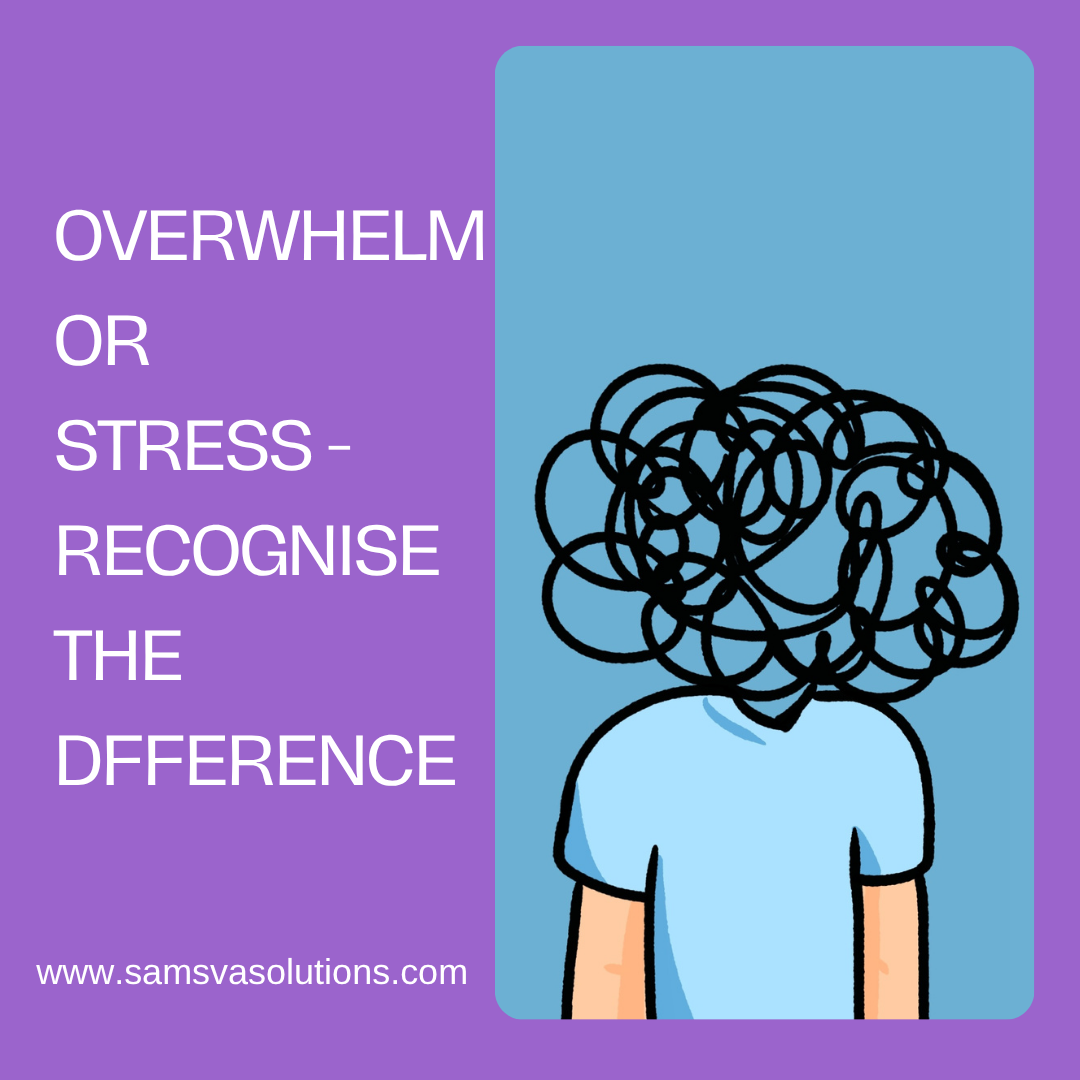
In most cases, ghosting isn’t done out of cruelty. It’s usually avoidance. Someone doesn’t want to have an uncomfortable conversation, to say “I’ve changed my mind”, “I can’t afford it” or “This isn’t the right fit after all”. Sometimes people are simply overwhelmed and don’t know how to communicate that. Others struggle with boundaries or feel awkward about closing a loop they’d rather pretend doesn’t exist.
It’s human behaviour, but it isn’t harmless. Ghosting leaves the other person hanging in uncertainty, frustration and sometimes self-doubt. It’s a breakdown of professional courtesy, and over time it can erode trust and confidence on both sides of the relationship.
Owning My Part in It
I’ll admit I’ve been guilty of ghosting too. Maybe not in such an obvious way, but enough to recognise the pattern. I’ve delayed replying to an email because I didn’t know what to say, or avoided following up with someone because I didn’t want to disappoint them. It’s easy to tell yourself you’ll reply later, and then “later” slips into never.
None of us are perfect communicators. Sometimes life gets busy, or we fear a reaction we can’t control. But recognising those moments in ourselves is what helps us grow out of them. It makes us more understanding when it happens to us, and more intentional about how we communicate going forward.
Why Ghosting Hits Harder When You’re Self-Employed
In a traditional job, you might grumble about an unresponsive colleague and move on. When you run your own business, relationships can feel more personal. They’re built on trust, reliability and communication, so when a new and growing relationship stops for no obvious reason, it’s going to feel personal too.
There’s also the practical fallout. I’d blocked out client hours that went unused and brought in an associate to share the workload. That has financial implications as well as emotional ones. But it’s the emotional side that lingers longer. You start to second-guess your approach, your tone, your decisions. It’s like being stuck in a conversation that ended mid-sentence.
Our brains crave closure. When we don’t get it, we fill in the blanks ourselves, and those blanks often sound like “You did something wrong”. The reality is usually far less dramatic: someone else’s overwhelm, avoidance or a change in priorities.
Avoid Becoming a Ghoster
We can’t control how others behave, but we can choose how we handle our own communication. Avoiding ghosting is less about perfection and more about small, deliberate habits.
Be clear from the start. If something isn’t working, say so. It’s kinder to close the loop than to leave someone guessing. In most other situations we’d speak up, wouldn’t we?
Send short, polite closure messages. A simple “Thanks for your time, but I’ve decided to go in another direction” is professional and appreciated.
Send a holding note if you need time. “I’ve seen your message and I’ll get back to you next week” takes seconds but saves a lot of confusion. Just make sure you follow through.
Set communication expectations upfront. In contracts, onboarding or client agreements, be clear about how and when you’ll be in touch.
These small steps build trust and protect your reputation. The more you practise them, the less likely you are to ghost by accident.
What It Taught Me
That experience reminded me that silence doesn’t always mean rejection or failure. More often, it reflects what’s going on in someone else’s world, not mine. It also reinforced my commitment to communicate clearly, even when it’s uncomfortable.
We all have moments where we go quiet. But in business, silence speaks volumes. Professional courtesy costs nothing, yet its absence can cost confidence, credibility and peace of mind. If we want to build sustainable, respectful working relationships, we have to value closure as much as connection.
Because at the end of the day, communication isn’t just about words. It’s about respect.
And respect is what keeps business relationships human.